
Special Needs DentistryIn Brookfield, CT
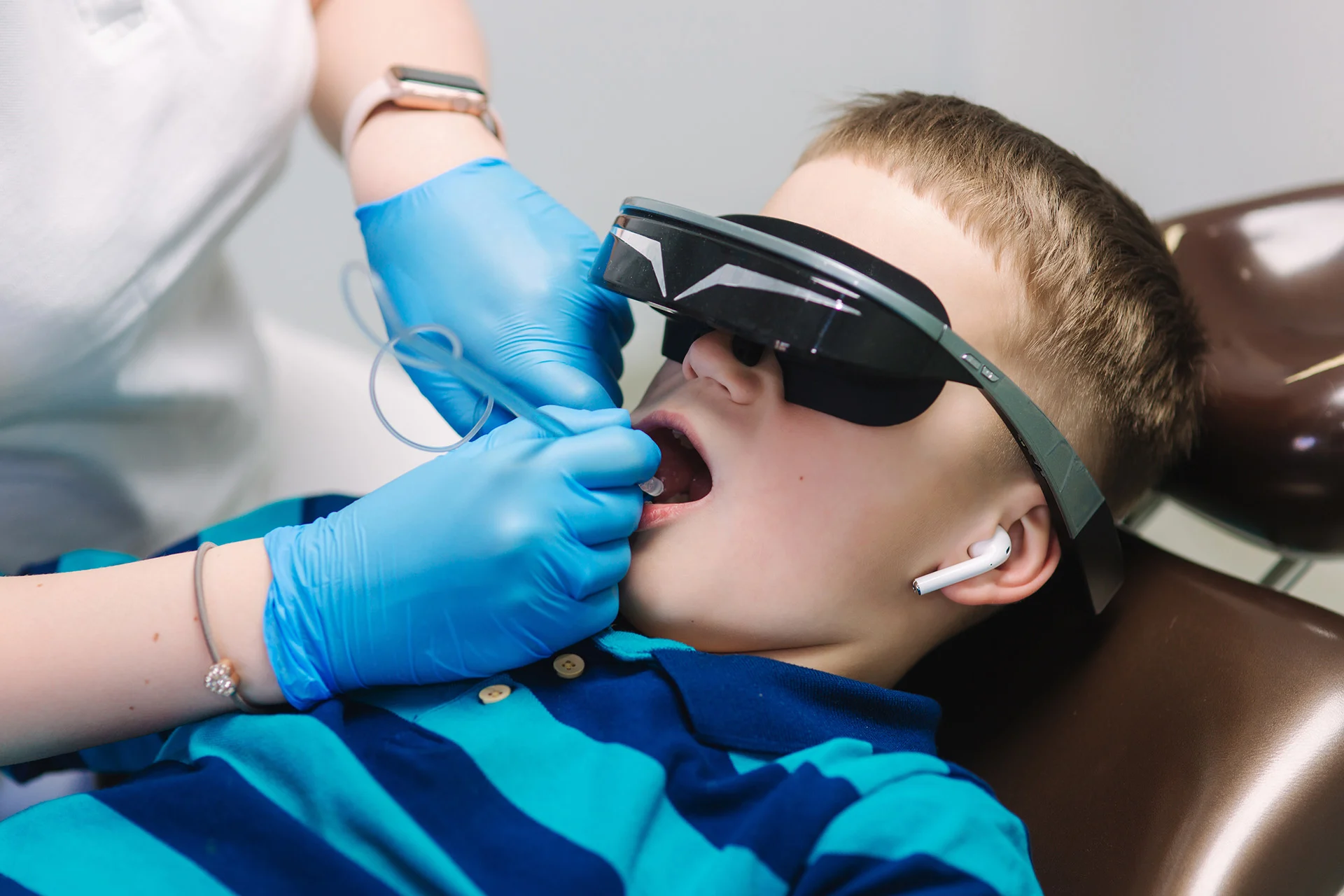
We're passionate about creating an inclusive dental home where every smile is welcome. Our team takes the time to know your child personally, understand what helps them feel comfortable, and customize their care experience around their unique needs.
Why should I choose a pediatric dentist for my child with special needs?
Every child is different, especially when health challenges make dental treatment more complex. Our dental team brings extensive experience working with children who have sensory sensitivities, ASD (Autism Spectrum Disorder), and various other conditions. We ensure your child receives the compassionate, accommodating care they deserve!
Stress-Free Mild Sedation
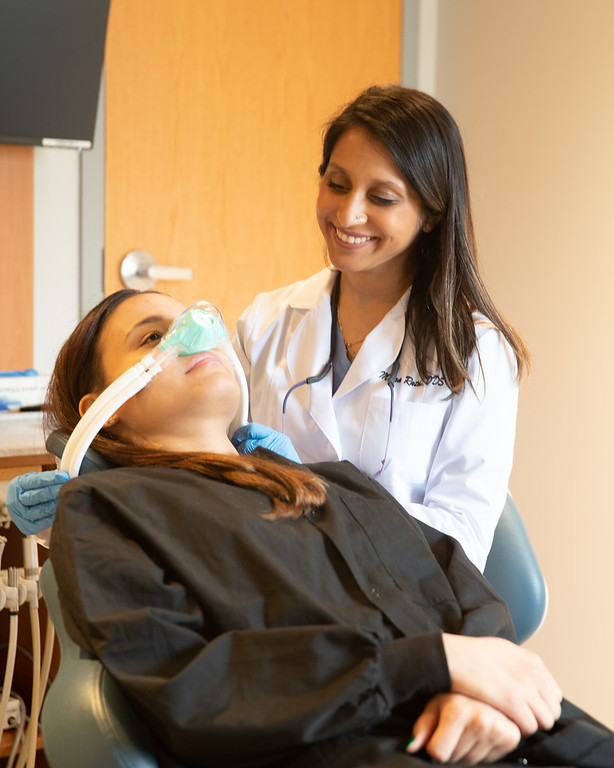
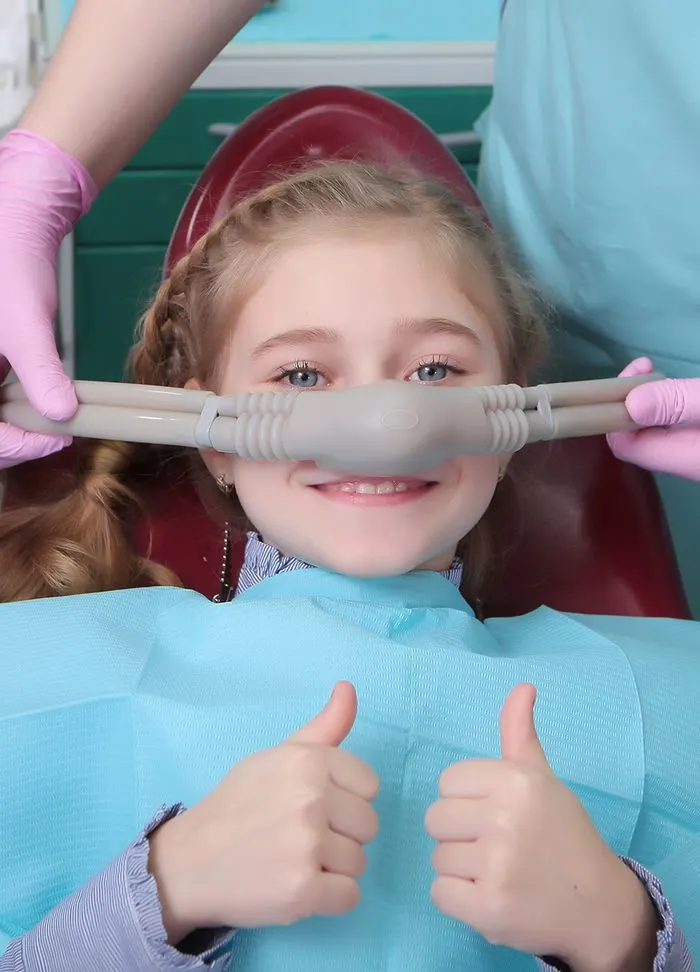
No child deserves to struggle with fear or pain during treatment. Sedation options are an effective way to help your kiddo get the care they need without discomfort or anxiety. Talk to your child’s dentist to learn more about what sedation option will best fit their needs.
Complimentary Meet & Greets
If fear is keeping you or your little one from scheduling an appointment, we invite your family to schedule a complimentary meet and greet. Your child will get the chance to tour the office and meet our team, all without the pressure of receiving treatment, allowing them to acclimate to our space, and minimize fear of the unknown when it comes time for their appointment.
No Drill, No Shot Options
Numbing shots and noisy drills can cause unnecessary anxiety and fear for kiddos. We’re proud to offer drill-free and shot-free treatment options that not only protect your child’s smile but keep them calm and reassured, too.
The Benefits of Special Needs Dentistry
Better Patient Accommodations
We customize our environment and approach for each patient, adjusting lighting and sound levels for sensory sensitivities, using special equipment, and providing additional support staff as needed.
Expert Care For Every Patient
Our team brings deep experience treating patients with various physical, mental, and developmental needs. We know how to ensure your child's safety and comfort throughout their dental care journey.
Desensitization Appointments
We offer desensitization appointments to help children with special needs or dental anxiety get acclimated to our office, staff, and the tools and instruments we use. Its a great way for your child to get to know us, and for us to get to know them!
Board-Certified Pediatric Dentist
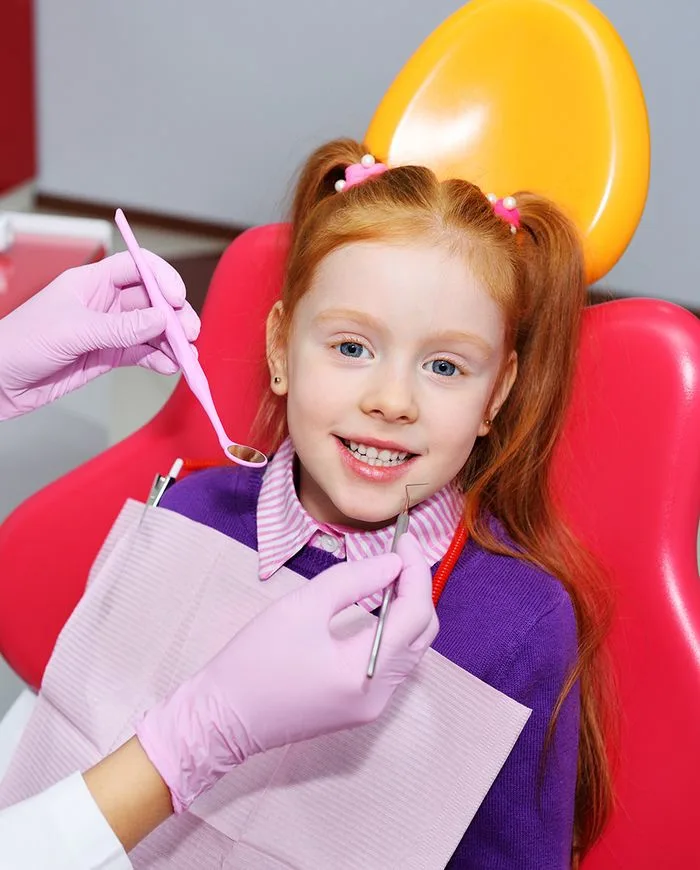
Rest assured that your child is receiving top-notch, specialized care with our Board-Certified Pediatric Dentist. To be recognized by The American Board of Pediatric Dentistry, doctors must undergo extensive training in the pediatric field in addition to their standard dental degrees.

Desensitization Appointments
Going to the dentist is a significant experience, with new faces, sounds, and expectations. To help your child adjust, we offer desensitization appointments. Through a series of visits, the dentist will give your child a tour of our office, introduce our friendly team, and teach them about dental tools. This helps your kiddo get acclimated with our space so they can feel safe, secure, and cared for.

Behavior Guidance Counseling
Sitting in the dental chair isn’t always easy! That’s why our compassionate team offers behavior guidance counseling. With our gentle directions and upbeat approach, we’ll empower your child to face challenges, overcome obstacles, and gain confidence as they learn how to take charge of their oral health.
The Special Needs Dentistry Process

Initial Health Discussion
We begin with a comprehensive consultation to understand your child's complete health picture. Our team will carefully review their medical history, current medications, therapy routines, and specific needs. We'll also discuss any previous dental experiences, sensory sensitivities, and communication preferences to ensure we create the most supportive environment possible. This thorough understanding helps us develop an approach that works best for your child.

Oral Exam & Teeth Cleaning
During your child's first visit, we'll conduct a thorough oral examination and gentle cleaning at a pace that feels comfortable for them. This allows us to assess their dental development, identify any immediate concerns, and understand their unique oral health patterns. We use this time to also observe how your child responds to different aspects of dental care, which helps us refine our approach for future visits.
FAQs
Frequently Asked Questions
Check out these frequently asked questions, or call us to speak with our team.
Many conditions can impact your child's dental care experience, including ADHD, anxiety, asthma, autism, cerebral palsy, cleft lip & palate, depression, diabetes, Down syndrome, epilepsy, hearing impairment, and traumatic brain injury. When scheduling an appointment, please let us know about your child's specific condition so we can ensure our practice meets your family's needs.
Medical conditions can affect oral health in several ways. Treatment medications, the condition itself, or both may influence tooth and oral structure development, calcium levels (which affect tooth enamel), saliva production, and dietary choices. Good nutrition is essential for both overall health and dental wellness. Even the simple act of chewing plays a vital role – it stimulates jaw bone development and naturally helps remove tartar and plaque through friction.
Keep an eye out for these indicators that might suggest a special health care need:
Teeth grinding or bruxism: While common in children and often temporary, persistent grinding may signal stress or anxiety. Addressing the underlying cause helps protect your child's teeth.
Food pouching: Some children, particularly those with food or sensory sensitivities, may hold food in their mouths longer than usual. This habit creates an environment where cavity-causing bacteria can flourish.
Bad breath:This could indicate various conditions, from digestive issues to diabetes or chronic sinusitis.
Many children's liquid medicines contain sweeteners to make them more palatable. While this helps ensure children take their medication, these sugars can lead to cavities without proper oral care afterward. Some medications may also reduce saliva production, creating dry mouth conditions that increase the risk of tooth decay, gum disease, and infections. Please share your child's medication list with us so we can develop appropriate oral care recommendations.
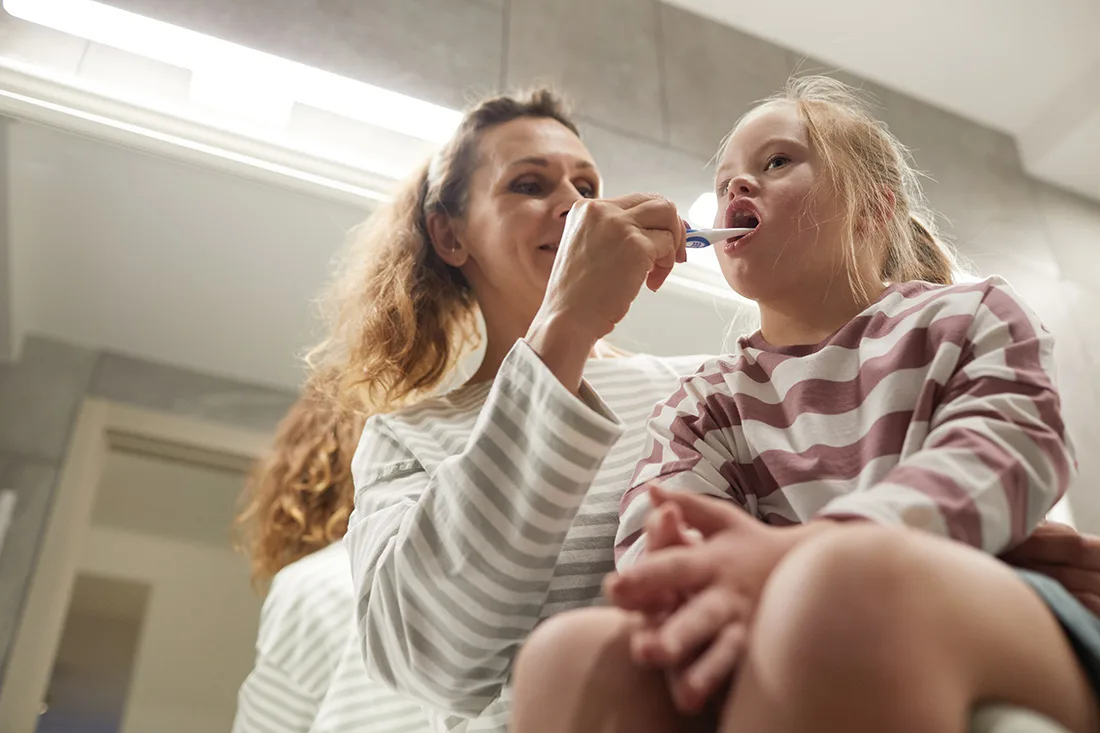
For children with physical, emotional, behavioral, intellectual, or communication disabilities, daily oral care might present unique challenges. Here's how you can help:
- Select a child-sized, soft-bristled toothbrush. Consider choosing one featuring their favorite character or color to make brushing more appealing.
- Try adaptive tools like large-handled brushes. If grip is challenging, you can secure the brush with a strap or guide it with your hand.
- Let your child choose from different fluoride toothpaste flavors and colors – finding one they enjoy can make a big difference.
- Take charge of toothpaste portions by applying it yourself, and supervise brushing to prevent swallowing.
- Transform brushing into a fun activity by incorporating songs, counting games, or the alphabet. This not only entertains but also helps ensure they brush for the right amount of time.